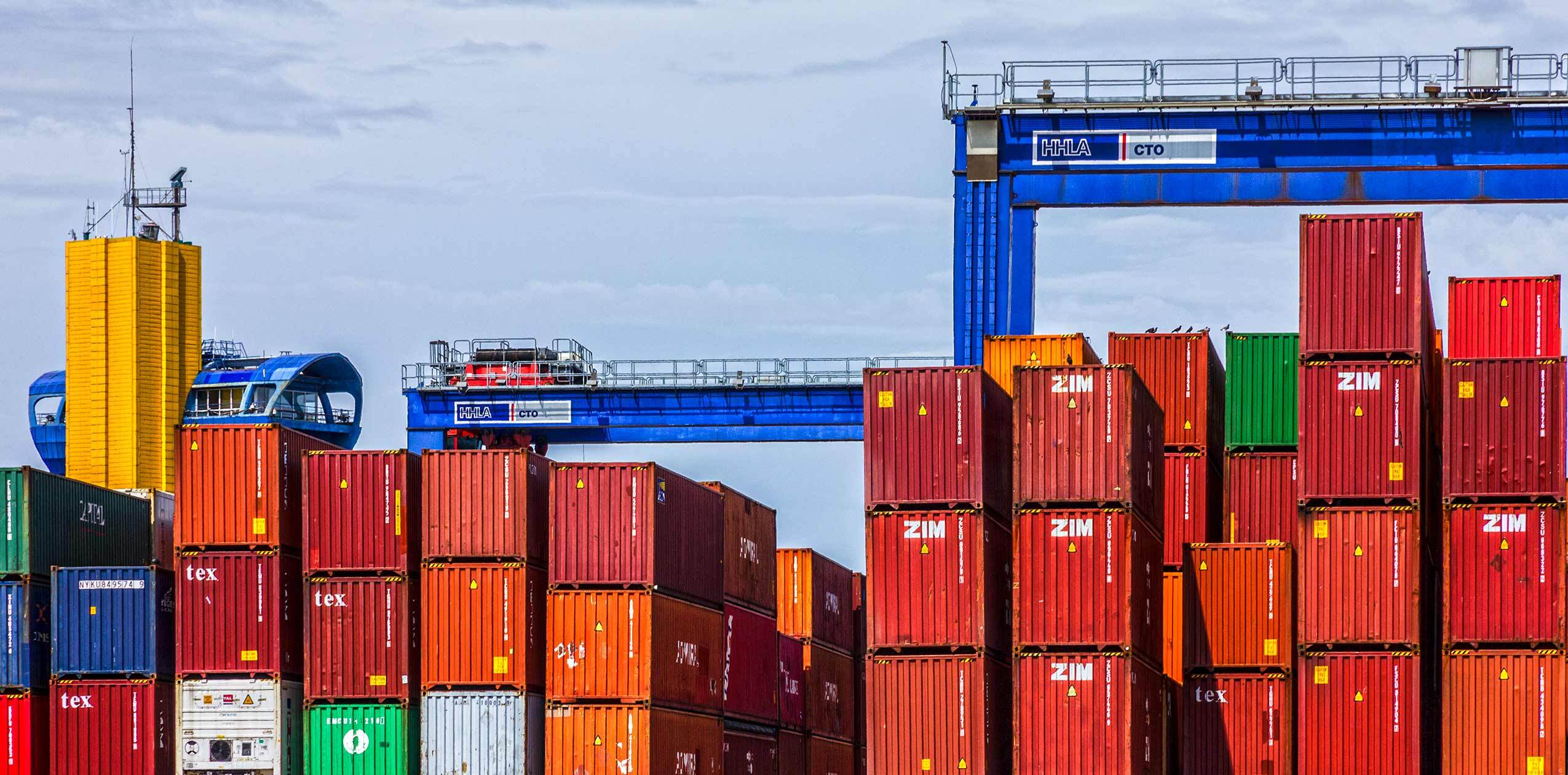
Middle East drives growth through major projects
03/06/2026
Saudi Arabia, the United Arab Emirates, Qatar and the other Gulf countries are undergoing a period of significant economic and infrastructure development. From new industrial facilities and energy investments to large-scale hospitality and tourism projects, the region continues to attract capital, expertise and international business. In this environment, logistics has become a strategic component in the successful execution of complex projects.
For European companies involved in international contracts, the challenge goes far beyond moving cargo from one destination to another. Coordinating the shipment of industrial components, production equipment, technical materials and project cargo for sites operating under tight schedules requires careful planning and seamless execution. Delays or incomplete documentation can quickly result in operational disruptions and additional costs.
Among the sectors requiring the highest level of coordination is Oil & Gas. Valves, wellhead systems, drilling equipment, instrumentation and offshore components often need to be delivered to production sites located in strategically important areas and subject to strict technical requirements. In these environments, logistics management extends well beyond transportation itself. Permits, regulatory compliance and coordination between multiple stakeholders become essential parts of the overall process.
The same applies to project cargo destined for industrial and petrochemical facilities. Oversized and out-of-gauge shipments require detailed planning from the earliest stages of a project. Each operation presents unique challenges and demands tailored solutions that take into account available infrastructure, local regulations and the delivery schedules expected by the end customer.
At the same time, the rapid expansion of the hospitality sector is generating new logistics requirements across the region. Hotels, resorts, office developments and large hospitality projects depend on the coordinated movement of furniture, finishing materials, equipment and supplies sourced from multiple countries. In these cases, the ability to synchronize deliveries and meet construction timelines plays a crucial role in supporting project completion and opening schedules.
Alongside large-volume shipments, there is also a growing need for urgent logistics solutions. A missing critical spare part or an essential component required to complete an installation can demand dedicated services such as air express transport, hand-carry solutions or on-board courier operations. Speed of response therefore becomes a key element in maintaining operational continuity.
As investments continue to reshape the region, the Middle East reinforces its position as a strategic market for international businesses. For logistics providers, the challenge is to transform operational complexity into supply chain continuity by adapting every solution to cargo characteristics, project priorities and local market requirements. This is where logistics becomes a true competitive advantage.

Tecnofreight to attend the 12th Africa Logistics Network Annual Meeting in Rome
21/10/2026
When routes become more complex, there is always an alternative
15/09/2026