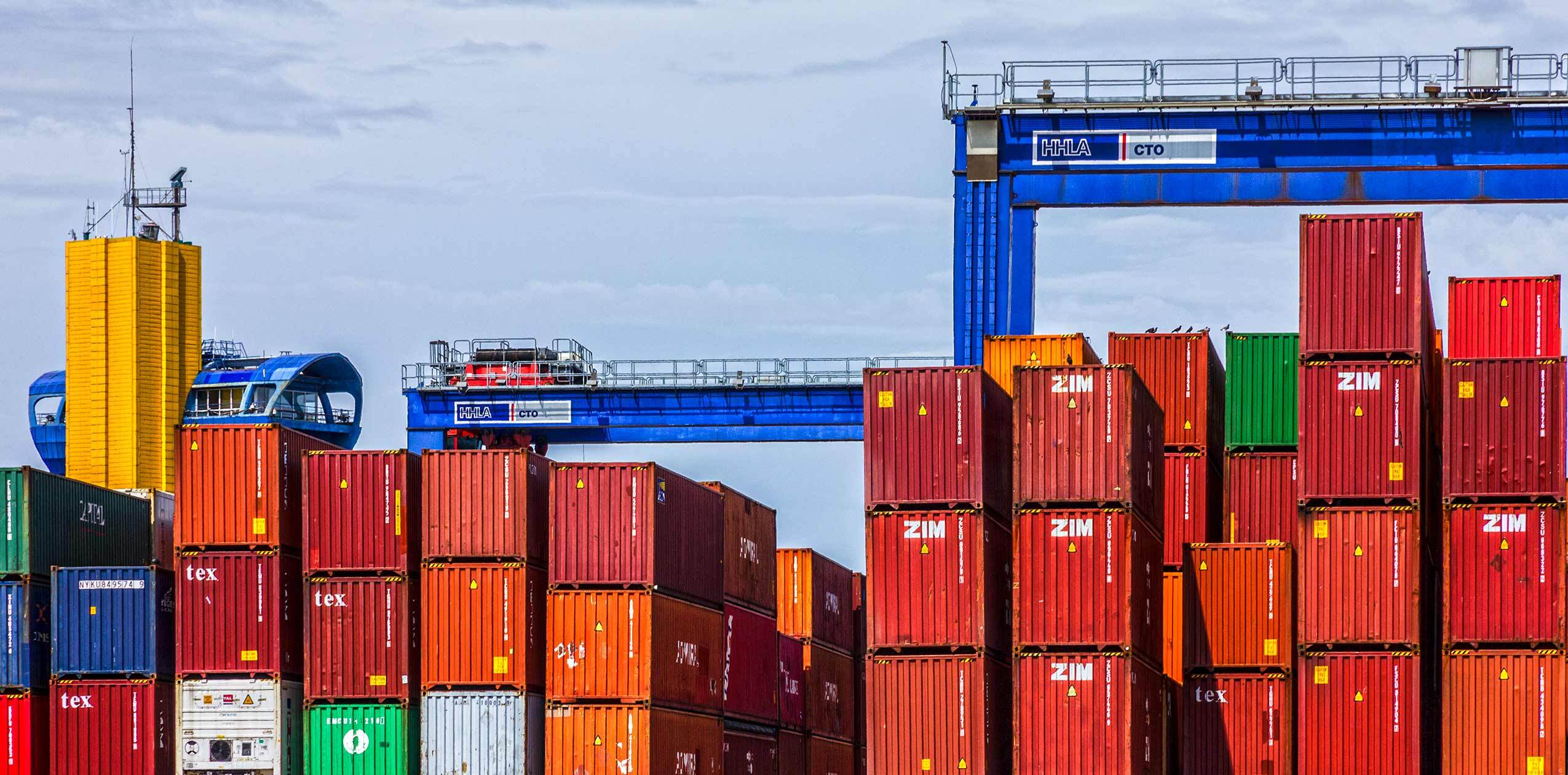
Towards Electrified Heavy-Duty Transport in the European Union
01/04/2026
The electrification of heavy-duty transport is beginning to translate into concrete operational decisions across Europe, with tangible effects expected as early as 2026—changes that will directly impact the day-to-day organization of road logistics.
In this context, the regulatory framework has acted as a catalyst. The AFIR Regulation (Alternative Fuels Infrastructure Regulation) has set binding targets for the rollout of alternative fuel infrastructure. The most visible outcome is the development of a dedicated charging network for heavy-duty vehicles along major European corridors, designed to support substantial traffic volumes.
The figures are starting to reflect the scale of the shift. By the end of 2025, several hundred charging stations for heavy-duty vehicles were already in operation, with a growing share capable of delivering high power levels compatible with long-haul transport requirements. This signals an infrastructure network that is taking shape and gradually moving toward new strategic solutions.
Alongside regulation, investment plays a decisive role. The European Union has chosen to support the transition by funding large-scale projects, primarily aimed at reducing charging times, one of the main barriers to the adoption of electric trucks. Initiatives such as HDV-E, introducing megawatt charging systems in selected logistics hubs, are designed to align electric transport with the operational pace the sector demands.
Overall, the electrification of heavy-duty transport is unlikely to follow a linear or immediate path. It will require time and carefully considered decisions across the entire European logistics value chain. For companies operating on international routes, however, this shift is not a distant prospect but a development to be progressively integrated adopting electric solutions and preparing for a transport system where sustainability and operational efficiency are increasingly interconnected.

Tecnofreight to attend the 12th Africa Logistics Network Annual Meeting in Rome
21/10/2026
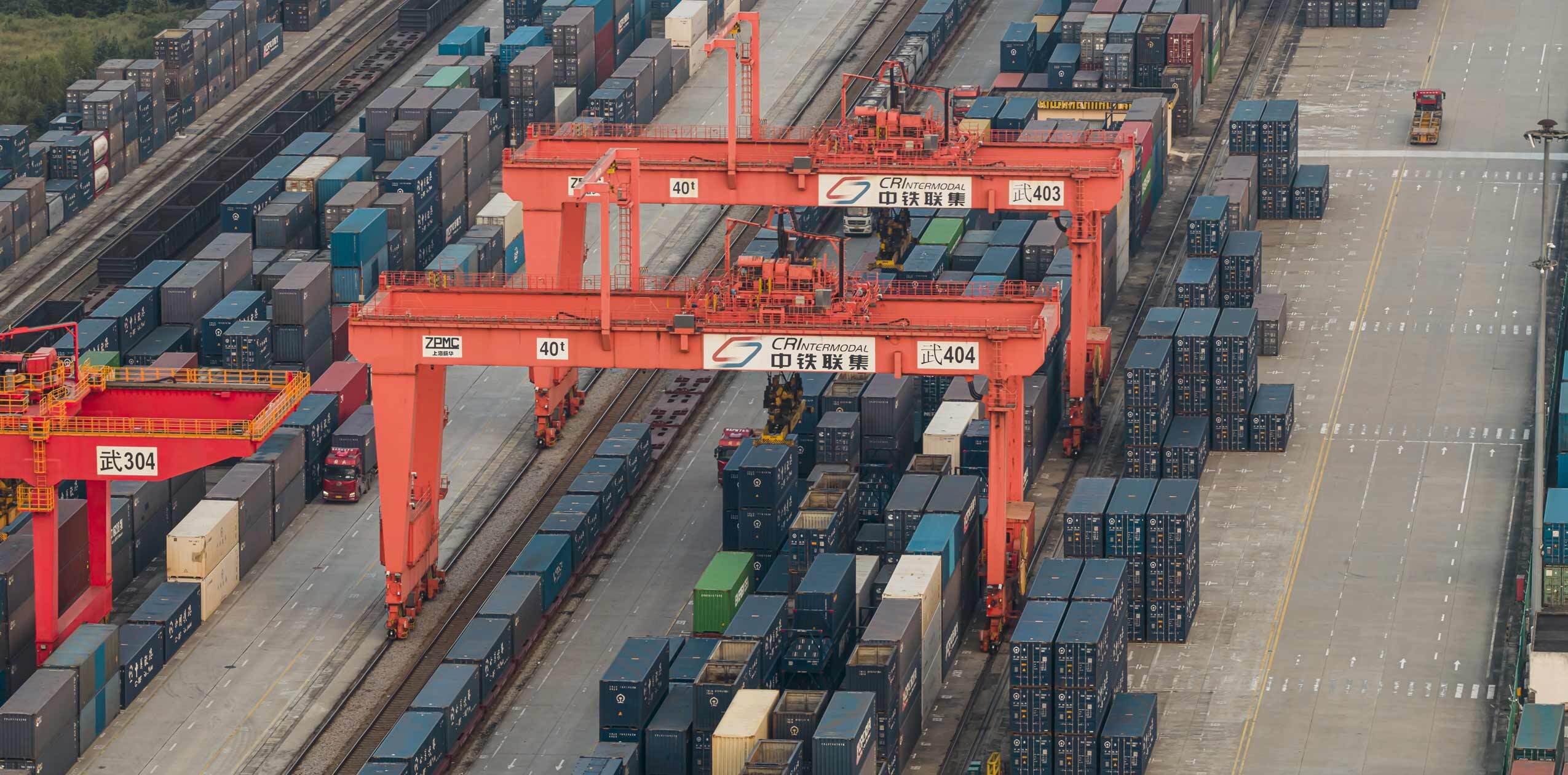
When routes become more complex, there is always an alternative
15/09/2026